
What Great Interviews Reveal That A CV Never Will
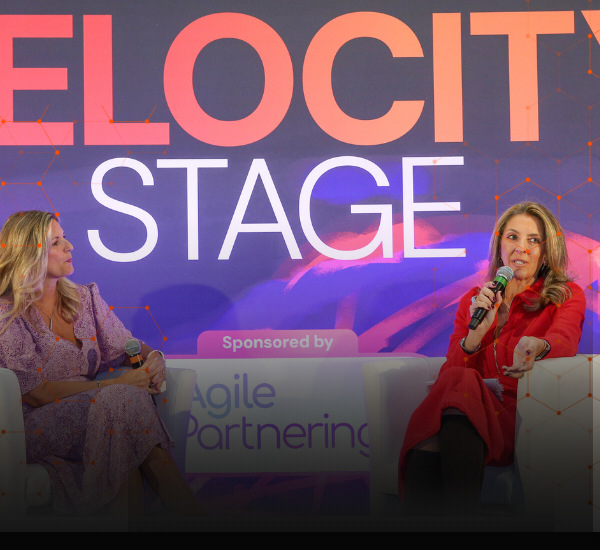
During a live discussion at Recruitment Agency Expo, Angela Cripps, Managing Director of The Recruiting Gym, interviewed Claudine Collins, Chief Client Officer at Mail Metro Media - and they explored how recruiters can identify commercial thinking and uncover genuine potential
Looking Beyond The CV
Every recruiter has experienced it. A candidate arrives with an impeccable CV, answers every competency question with confidence and appears to tick every box. Six months later, they're struggling in the role. Equally, some of the strongest hires don't necessarily have the most impressive career history on paper. Instead, they demonstrate curiosity, resilience and commercial judgement once the conversation begins.
That was the focus of an insightful discussion at Recruitment Agency Expo, where Angela Cripps, Managing Director of The Recruiting Gym, interviewed Claudine Collins, Chief Client Officer at Mail Metro Media, former Chief Client Officer at WPP and one of the interviewers on The Apprentice. Between them, they have spent decades interviewing senior leaders, building commercial teams and helping organisations identify talent, making it a conversation grounded in real-world experience rather than interview theory.
Opening the discussion, Angela challenged Collins on a question that sits at the heart of recruitment: how do you distinguish genuine commercial ability from someone who has simply become very good at interviews?
For Collins, the answer starts by recognising the limitations of a CV. "I look at a CV," she explained, "but it's a little bit meaningless until I've spoken to you." Rather than treating it as evidence of capability, she sees it as the starting point for a conversation. A CV highlights areas to explore, whether that's frequent job changes, career progression, volunteering or unusual decisions, but it should never become the reason someone is hired.
It's a reminder that recruitment remains one of the few professions where judgement still matters enormously. Technology can shortlist candidates, AI can help identify skills and experience, but understanding whether someone can genuinely succeed still relies on asking the right questions.
Commercial Ability Should Be Measured, Not ClaimedOne of the strongest themes throughout the discussion was the importance of evidence. Recruiters regularly hear candidates describe themselves as commercial, strategic or results-driven, yet Collins believes those words have little value unless they're supported by tangible examples.
If someone tells her they helped grow a business, she wants to understand how. What were the margins? How did profitability change? What decisions did they influence? Which results can they genuinely claim as their own? Those follow-up questions often reveal far more than the initial answer.
As Collins explained, "everyone can answer questions well, but actually it's the questions you ask often that get to the root of things." Rather than accepting polished responses at face value, experienced interviewers keep probing until they understand whether the candidate genuinely owns the achievements they're describing. That philosophy led to one of the session's most memorable observations. When interviewing for commercial roles, Collins asks herself one simple question:
"Would I trust them with a million pounds of my money?"
It's not about the amount itself. It's a mental test that forces interviewers to consider whether the candidate has demonstrated sound judgement, commercial awareness and accountability. If the answer is no, there's usually more digging to do.
For recruiters, it's a useful way of reframing an interview. Rather than focusing on whether someone is personable or articulate, the conversation becomes centred on whether they've earned credibility through evidence.
Great Candidates Tell The Story Behind The CVAngela then steered the conversation towards something many recruiters encounter every day: candidates whose CVs don't follow a traditional path. Career breaks, sideways moves and unconventional experiences are often viewed as risks, but Collins encouraged recruiters to look beyond chronology and ask what those experiences reveal about the individual. She admitted she pays close attention to people who have used periods away from work constructively. Someone who has volunteered, studied, started a side business or developed new skills demonstrates initiative and resilience in a way that isn't always reflected by job titles alone. Equally, she is interested in understanding why people move roles.
A CV showing several short-term positions isn't automatically a concern, but it does become an invitation to ask better questions. Were they looking for greater responsibility? Did they inherit organisational change? Or is there a pattern that suggests they struggle to build long-term relationships?
Those answers rarely appear on paper, but they often determine whether someone will succeed in their next role.
Throughout the discussion, Collins repeatedly returned to the importance of curiosity. Good interviewers don't simply work through a list of competency questions. They listen carefully, identify interesting details and explore them further, allowing the conversation to uncover the person behind the application.
That ability to listen, rather than simply ask questions, is often what separates experienced recruiters from everyone else.
Creating An Environment Where Candidates Can Be Themselves
As the conversation continued, Angela turned to another challenge facing recruiters: how do you tell the difference between someone's real personality and the version they've rehearsed for interview day? For Collins, it often comes down to how candidates respond when the conversation moves away from prepared answers. She explained that on The Apprentice, candidates quickly run out of rehearsed responses. The longer the interview continues, and the more unexpected the questions become, the more authentic people tend to be. That is one of the reasons she isn't a fan of very short interviews.
Someone can maintain a polished performance for 15 or 30 minutes, but extending the conversation, challenging assumptions and asking follow-up questions often reveals far more about how they think, solve problems and respond under pressure. Angela agreed, noting that it's those additional questions that help recruiters understand what really motivates someone, rather than simply assessing how well they've prepared.
The discussion also highlighted the importance of flexibility. Collins looks for candidates who can adapt when they're asked something unexpected. Rather than becoming defensive or relying on textbook answers, exceptional candidates pause, think and answer honestly.
One example she gave was the classic interview question about weaknesses. Predictable responses such as "I'm a perfectionist" immediately raise doubts because they're often rehearsed. Instead, Collins is looking for people who acknowledge mistakes, explain what they learned and demonstrate self-awareness. Those answers feel genuine because they reflect real experiences rather than an attempt to say what the interviewer wants to hear.
Preparation still matters, however. Candidates should understand the business, research the sector and arrive with thoughtful questions of their own. Collins described this as a major positive signal. Someone who has prepared questions but is also able to adapt them naturally as the interview develops demonstrates both commitment and curiosity. By contrast, candidates who simply reply, "No, I don't have any questions," rarely leave a lasting impression.
Authenticity Always WinsOne of the most memorable moments of the session came when Angela asked what pressure reveals that a normal interview cannot. Having interviewed candidates in front of television cameras, Collins has seen people operating under far greater scrutiny than most recruiters will ever encounter. Yet despite the added pressure, she believes the same qualities consistently stand out. People who try to perform are usually easy to spot.
Whether someone is putting on an act for television, hoping to become an influencer or simply trying too hard to impress, authenticity eventually breaks through. Collins explained that candidates who are comfortable being themselves tend to create much stronger connections than those focused on delivering the "perfect" answer.
She illustrated this with the story of Anisa, a management consultant who surprised Collins by explaining that she wanted to leave her established career to build a pizza business.
On paper, Collins admitted she was sceptical. It seemed like an unusual move and one that invited questions. However, as the interview unfolded, Anisa didn't try to overcomplicate her reasoning. She simply explained that she wanted to build something for herself and become her own boss. That honesty changed everything. Collins recalled immediately relaxing because she believed what she was hearing. There was no attempt to create a more impressive narrative or second-guess what the interviewer wanted. The clarity of purpose and authenticity convinced her that Anisa understood exactly what she wanted to achieve, and today she is succeeding commercially.
It's an important lesson for recruiters as well as candidates. Technical skills and experience remain essential, but genuine motivation, self-awareness and integrity are often what differentiate outstanding hires from merely competent ones.
Building Relationships Doesn't Stop At The InterviewTowards the end of the discussion, Angela asked Collins about her own career and how she had built relationships at the highest level. Her answer demonstrated that networking isn't about collecting contacts; it's about creating genuine relationships over time.
After leaving WPP, where she had spent 30 years and managed relationships with many of the world's largest brands, Collins wasn't actively looking for another executive role. However, because she had built trusted relationships throughout her career, an opportunity arose to become Chief Client Officer at Mail Metro Media. It wasn't the result of a job search, but years of maintaining professional connections. She shared another story that perfectly captured her approach.
Before having appeared as a guest judge on The Apprentice, she spotted Lord Sugar in a restaurant. Rather than hoping for an introduction, she simply walked over, introduced herself and started a conversation. That meeting eventually led to a coffee, an opportunity to discuss interviewing and ultimately her role on the programme. For Collins, the lesson is simple: opportunities often begin with conversations.
Her advice to everyone attending Recruitment Agency Expo was equally straightforward. Before leaving the event, introduce yourself to someone new. Ask what they do, how you might help one another and begin building relationships that could last years rather than days.
Key Takeaways For RecruitersThe discussion offered several practical reminders for recruiters and hiring managers:
- Treat a CV as the start of the conversation, not the final assessment.
- Ask follow-up questions until candidates provide evidence, not opinions.
- Look for commercial thinking supported by measurable outcomes.
- Encourage candidates to be themselves rather than rewarding rehearsed answers.
- Pay attention to curiosity, resilience and self-awareness as much as technical ability.
- Leave time for meaningful dialogue rather than relying on short interviews.
- Remember that the strongest professional relationships often begin with a simple conversation.
Recruitment technology continues to evolve, but this conversation served as a timely reminder that great hiring still depends on human judgement. Throughout the session, Angela Cripps guided a discussion that moved beyond interview techniques and into the qualities that define exceptional people. Collins' experience—whether interviewing senior executives, assessing candidates on The Apprentice or leading commercial teams - reinforced the idea that outstanding candidates rarely rely on polished answers alone. They demonstrate curiosity, honesty, commercial understanding and a genuine sense of purpose. Those qualities may not always appear on a CV, but they are often the ones that make the greatest difference once someone joins your organisation.
Recruitment Agency Expo brings together recruitment leaders, industry experts and solution providers to share practical insights that help agencies attract talent, develop teams and grow their businesses. Discover the latest seminars, speakers and networking opportunities at the next event and continue learning from the industry's leading voices.